
In February of 2008 I had an opportunity to visit my 7th continent with my veterinary colleagues. It was a great time with great company. My story starts in Costa Rica where I spent a week with some friends in a surfing town called Jaco. After a week of R & R we met the rest of our veterinary group in Ushuia, at the very tip of South America.
This page is organized into several sections:
- Pictures of Costa Rica on the way to Antarctica
- A map of where we went and our itinerary
- Our starting point in Ushuia and tour of Tierra Del Fuego
- A short tour of the inside and outside of our ship
- Crossing the infamous Drake Passage
- Our Lecturers
- A visit from Humpback Whales
- Ocean-going birds
- Lots (and lots) of entertaining penguins
- A leopard seal on the hunt- you don’t want to miss this
- Majestic Scenery
- of icebergs, glaciers, and beautiful blue skys
- Our group of well-fed expedition explorers
Most of these sections have links to additional photos. All the photos are in low resolution for rapid download. They are available in high resolution suitable for printing at 30″ x 20″ professionally. We went with Abercrombie & Kent.
In Costa Rica we stayed at a nice resort right on the beach. If you follow this link or click on the photo below you will see some of the fascinating wildlife, people, and scenery of Costa Rica. When you are done come back this way and lets head on to Antarctica.

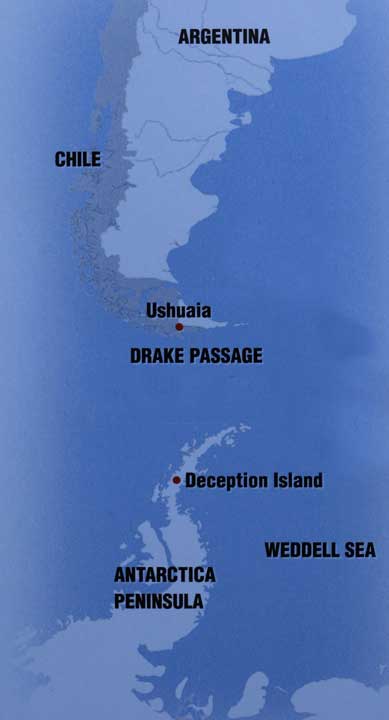
On our voyage we spent all our time in the Antarctic peninsula, which is just a tiny sliver when compared to the whole continent. The large red arrows point to Ushuia, our starting point, and the Antarctic peninsula.

Our first chance to see the peninsula was Deception Island, where the above picture of me in the water was taken, and where most of us became members of the Antarctic “Hot Tub Club”.
Click on this map below for a more detailed itinerary showing each of the ports we stopped at for pictures and zodiak rides, along with some information on the Antarctic Treaty.
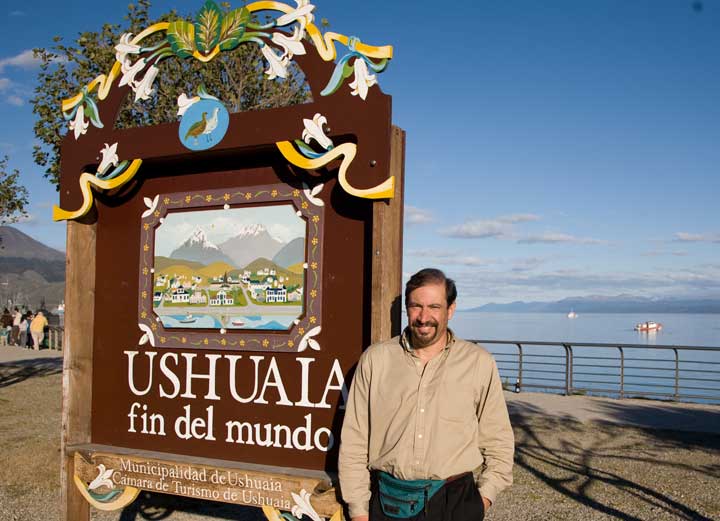
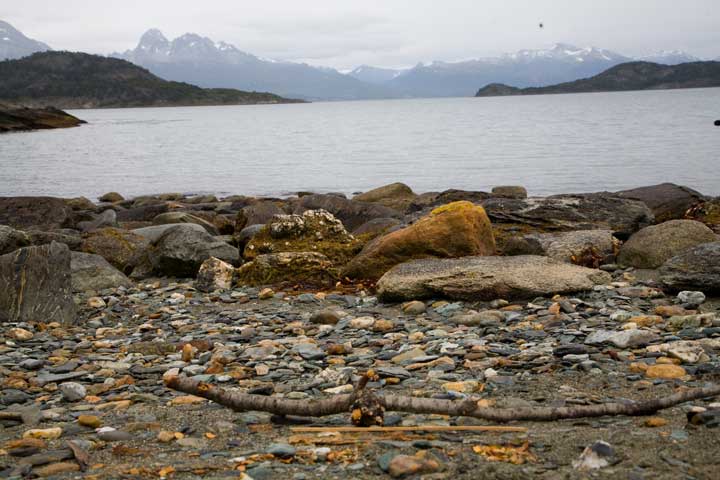
Our Antarctica trip really started in Ushuia, the southernmost city in the world. “Fin Del Mundo”- the end of the world
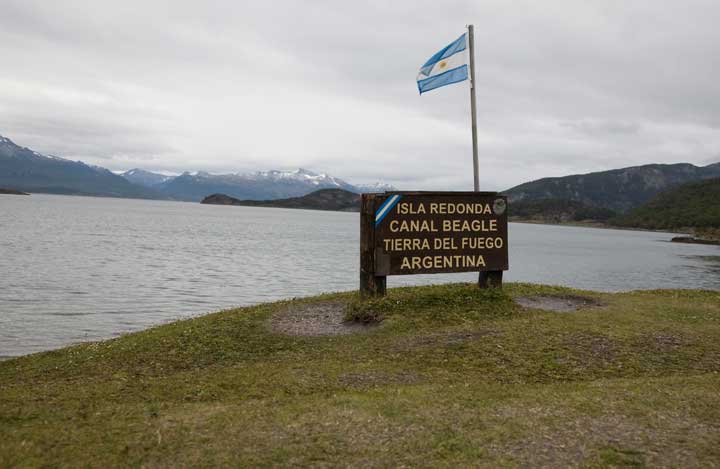
We took a quick tour of Tierra del Fuego National Park. The name means land of the fire. The early explorers coined this name when they observed the fires in the distance made by the native Indians.
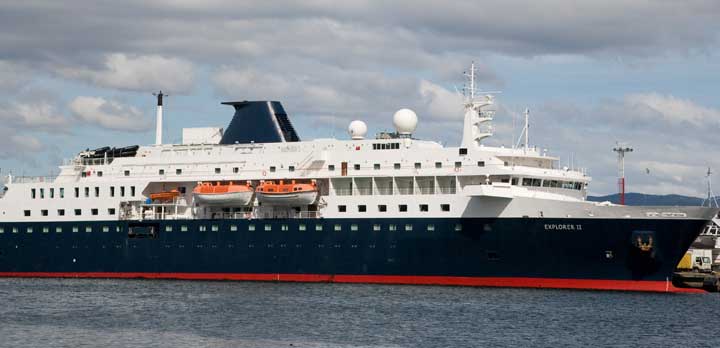
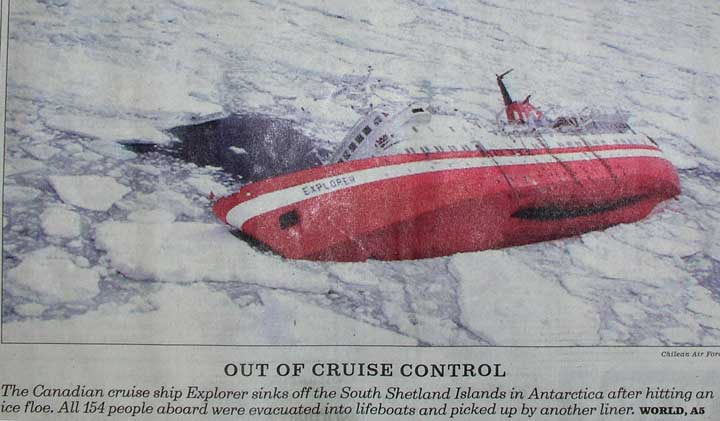
After our tour we boarded our home for the next 10 days, a ship called the Explorer II. The Explorer II is a double hulled expedition ship. The double hull gave me some peace of mind since the Explorer I literally sank just a few months prior to our trip. Click on the photo below to see a few more photos of this ship, along with a present from the crew as we left port.
This is an article from the newspaper on what happened to the Explorer I in November of 2007
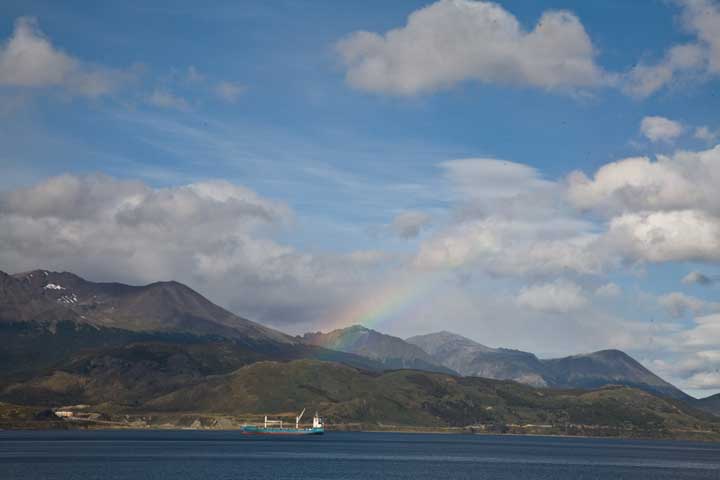
This rainbow was a good omen as we left Ushuia and cruised through the Beagle channel on our way to the dreaded Drake Passage. In case you are not aware, this body of water is where the Pacific and Atlantic oceans meet, and can be some of the roughest water on the planet.
We got lucky. The 2 day ride through the Drake Passage was about as calm as it could get.
The crew coined it “The Drake Lake”.
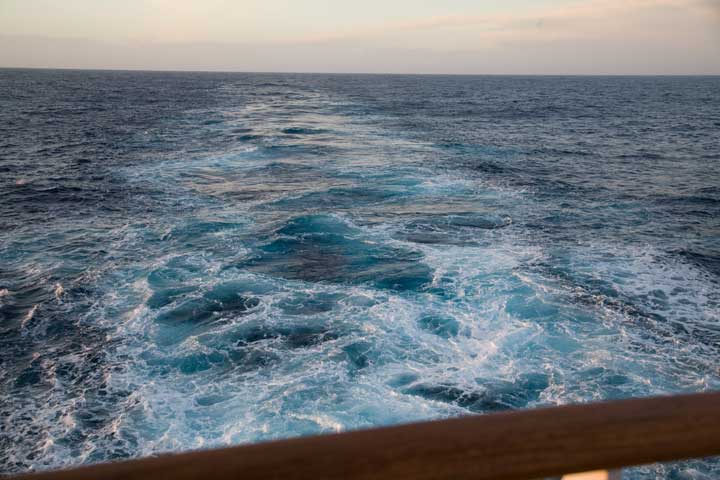
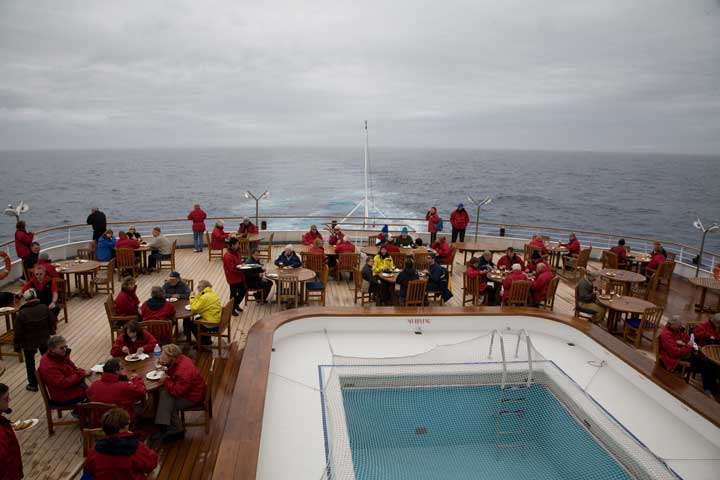
We spent as much time outside as we could in order to take advantage of the calm waters
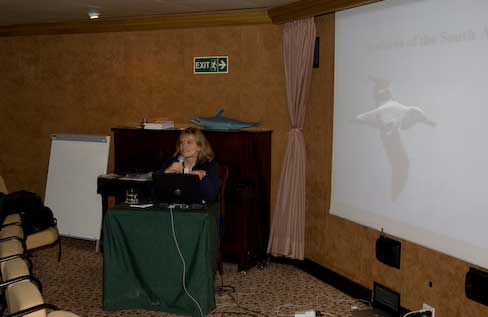
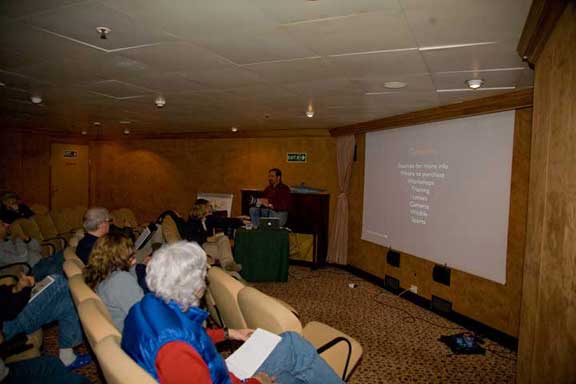
On the way out our speakers gave us some presentations. Dr. Walton teaching us about the natural history of the wildlife. She was also part of the Expedition Team that took us onshore in zodiacs.
Dr. Mader talking about medical aspects of Antarctic wildlife.

Dr. Barten sharing his significant photographic expertise
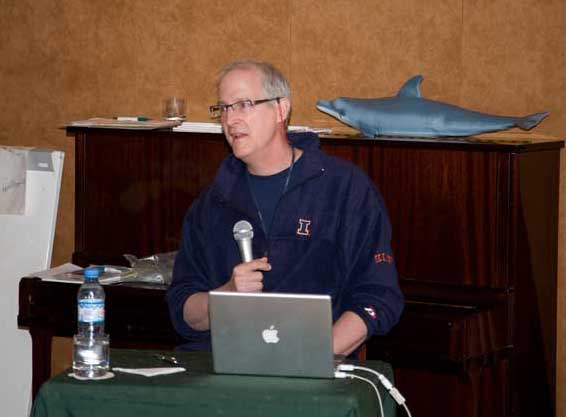
Yours truly also talking about digital photography
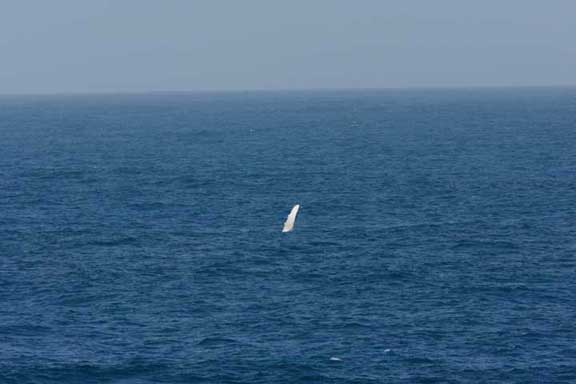
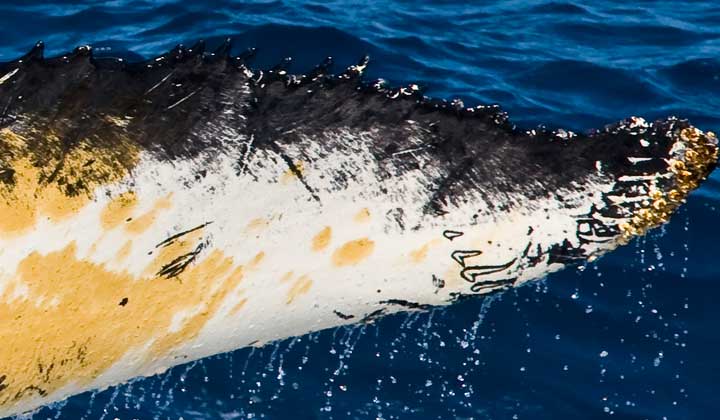
We had some action on the way out. The Expedition crew spotted this pectoral fin and yelled at all of us to get on deck and bring those fancy cameras we all brought along because we have visitors- humpback whales!
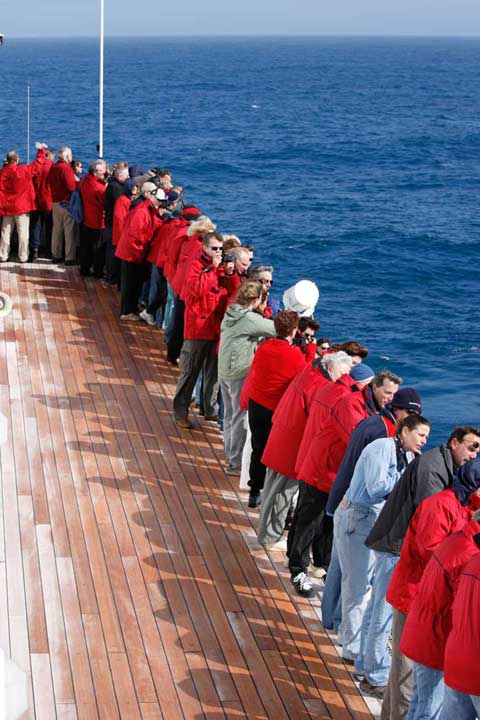
The captain was proud of us as we practiced our humpback whale sighting drill and were ready to shoot pictures in an instant
They slowly approached our boat….

…swam around us a little….
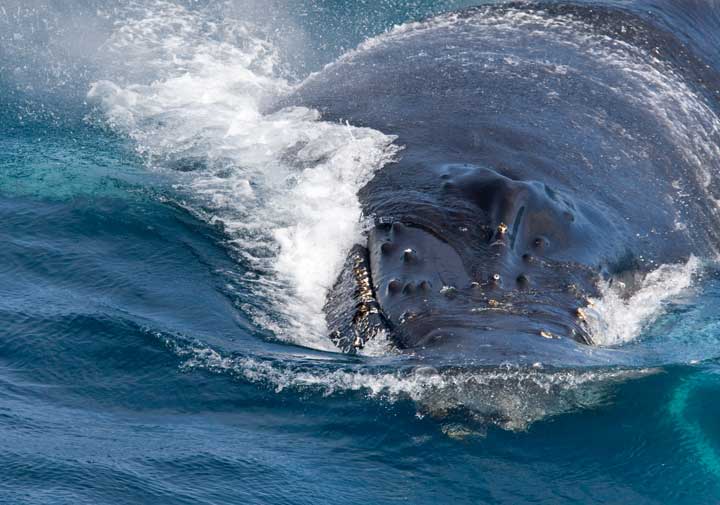
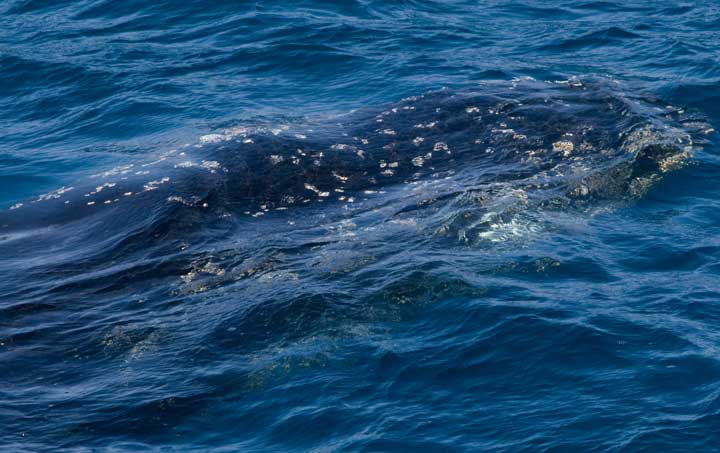
….and then dove to feed on a large school of krill under the ship. Only one day into the Drake and the good luck continues!
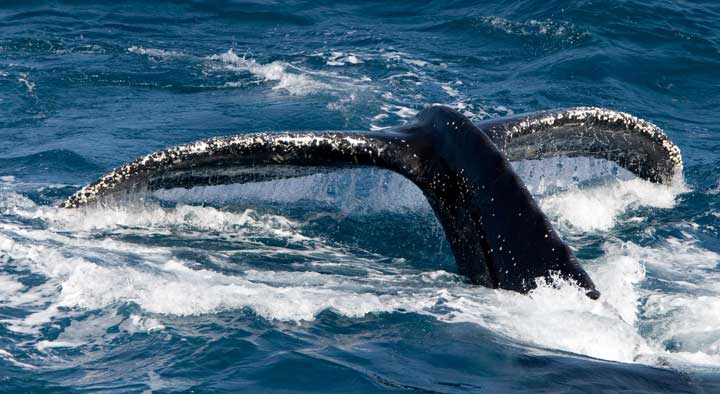
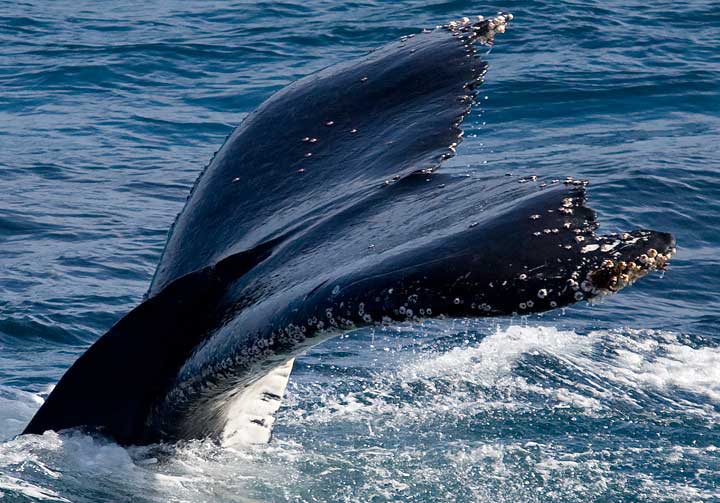
One whale gave us a beautiful view of the underside of its fluke
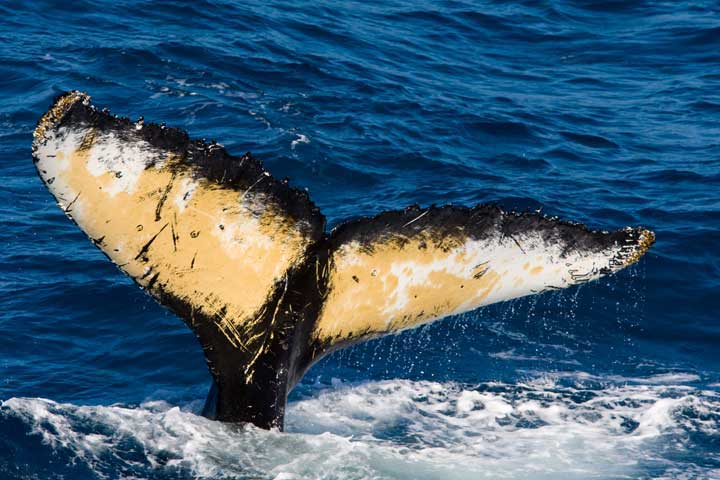
I sent it to the Antarctic Humpback Whale Catalog for identification purposes
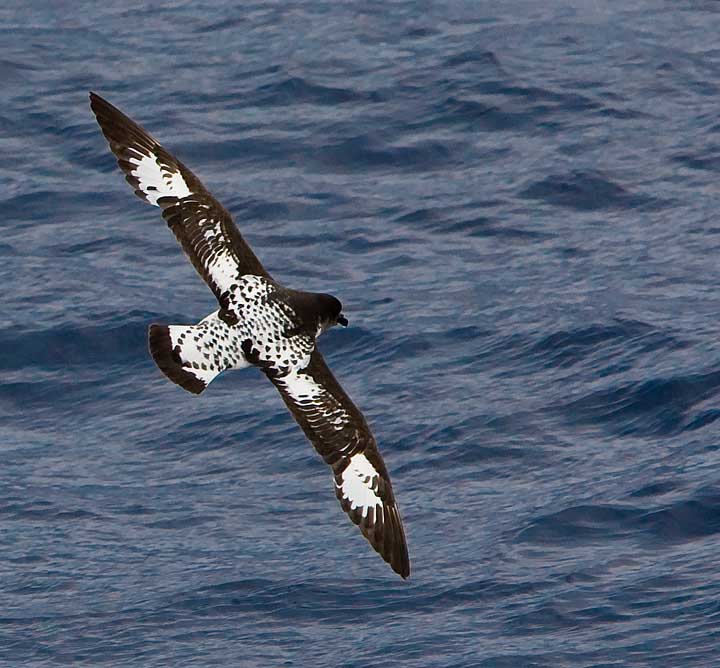
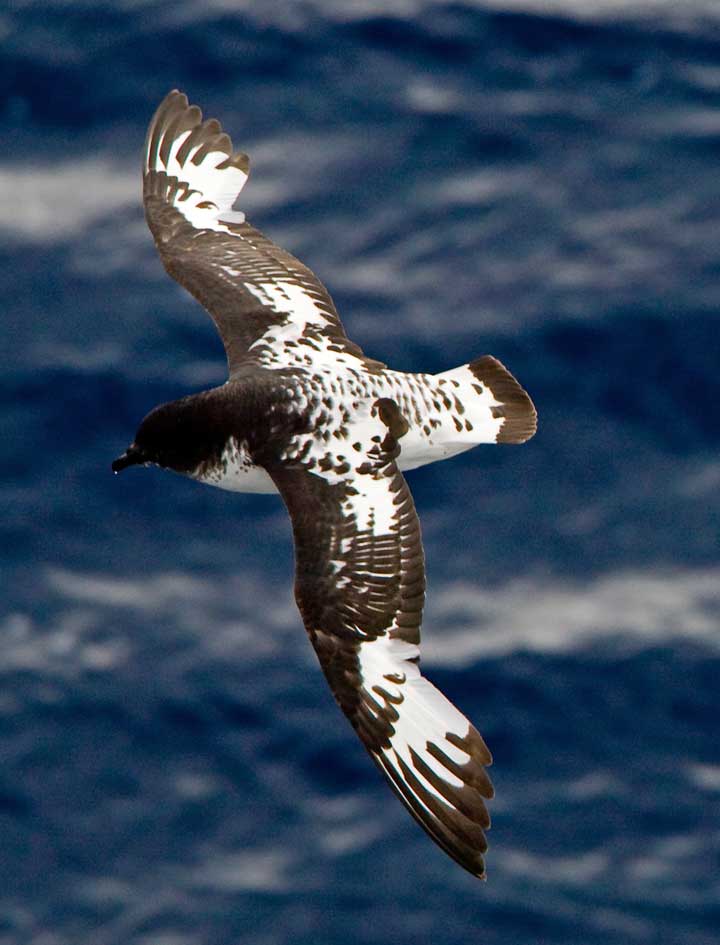
As we continued our ride through the Drake the pelagic birds made their appearance. They are curious about our ship and any food they might get, so they swoop around the boat as the wind carries them zipping by.
This was a good time to practice focusing on fast moving objects- in this case a Cape Petrel
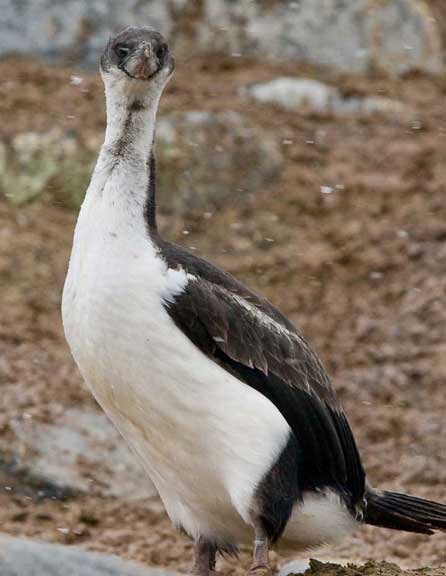
I have lots of bird photos like this Blue-eyed shag. Click on the photo below to see a few of the birds we met on our trip. You will see sheathbills, skuas, and Antarctic terns. Penguin photos are up next and get their own special page.
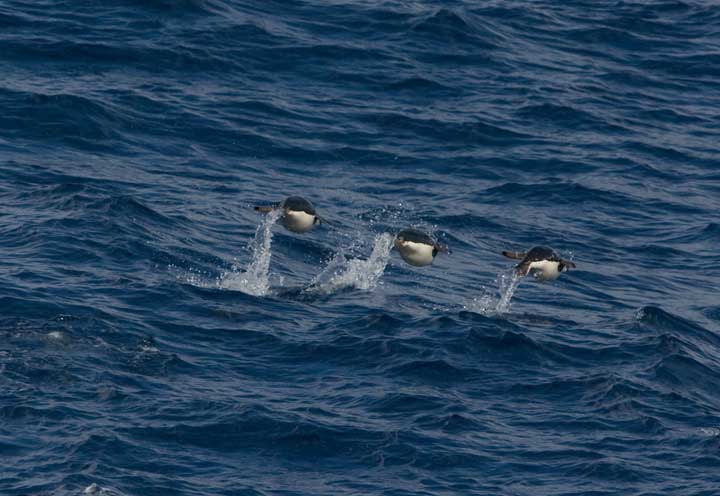
As we got near the Antarctic peninsula we got our first taste of penguins. I captured these porpoising penguins from the mother ship by shutting my eyes, pushing the shutter button, and then keeping my fingers crossed. For as comical as they are when they waddle around on land they move with lightning speed in the water.
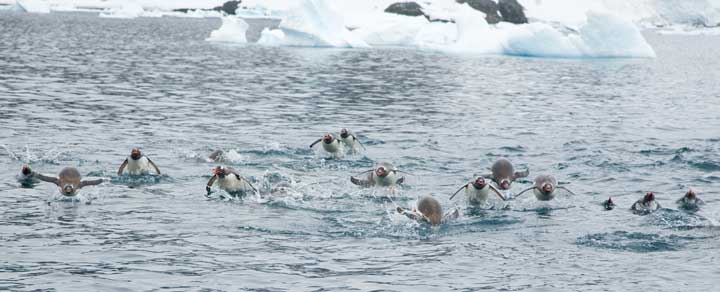
During our zodiak trips we had them coming at us from all directions
They pop up in an instant, and disappear just as fast. I had to literally focus on the water where I would anticipate they would appear. Don’t ask how many photos like this one below I took of only rippling water trying to capture such fast moving subjects.
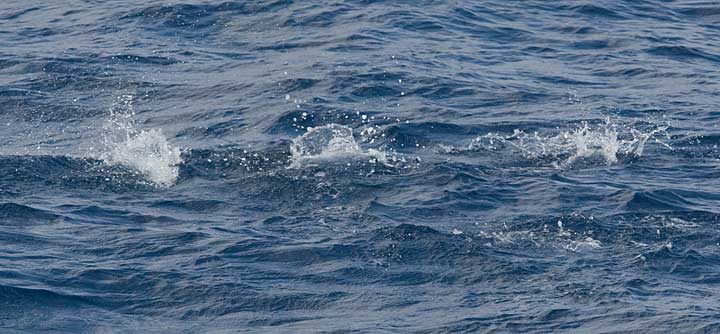
There were a few keepers in the hundreds of photos I usually shot in vain
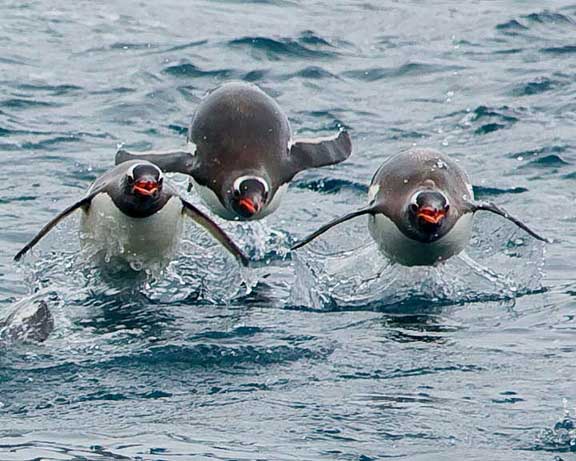
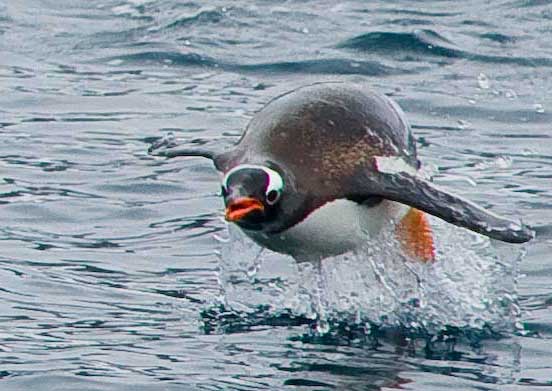
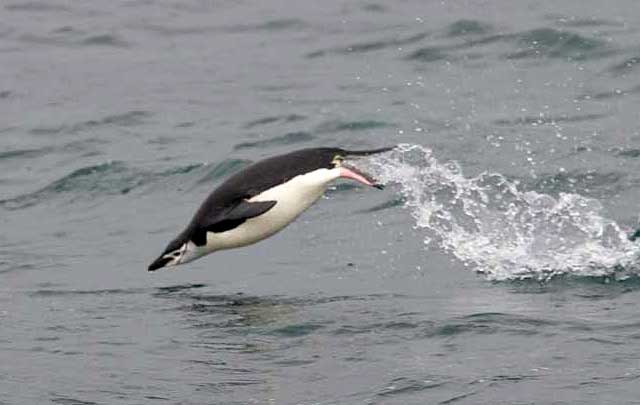
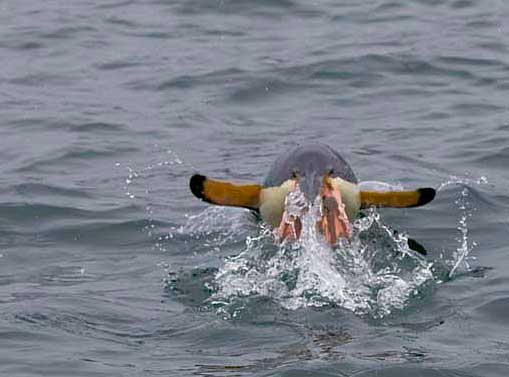
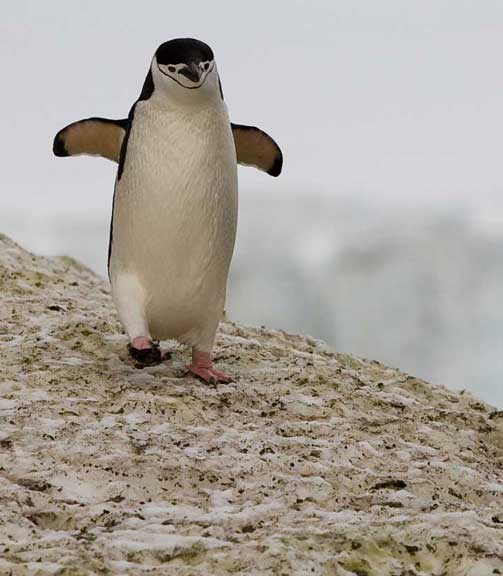
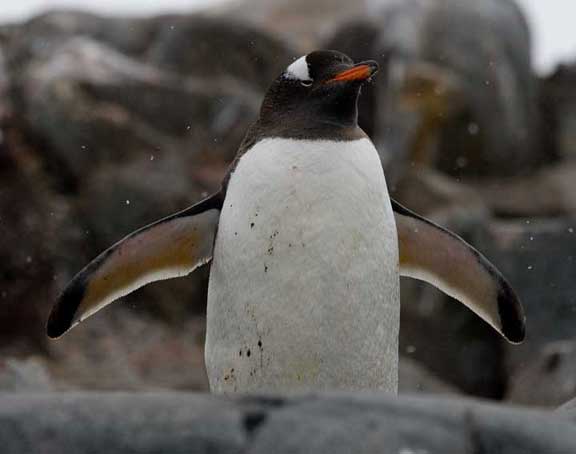
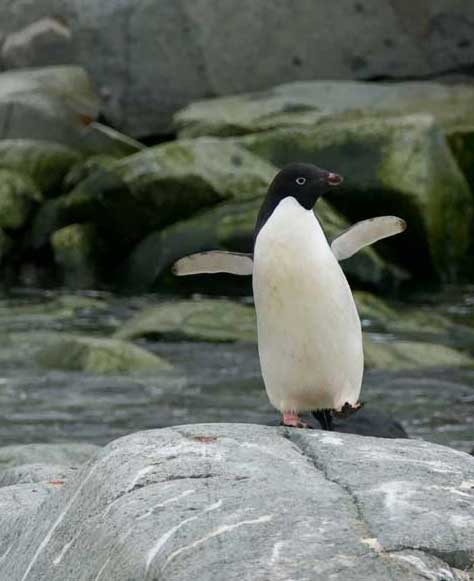
We encountered three different species of penguin on land
This is the chinstrap
The gentoo
The Adelie
Click on the photo below if you want to visit a page that has a whole lot of very cute penguins and their young. Interacting with this vast number of penguins was the highlight of the trip for some of us.

One of the more intimidating predators we encountered was the Leopard Seal. It has a serpentine body and a face that can freeze prey just by the sinister look it has. I have some great photos of a Leopard Seal attacking a Blue-eyed shag in the water.
Click on the photo below to see this awesome predator in action.
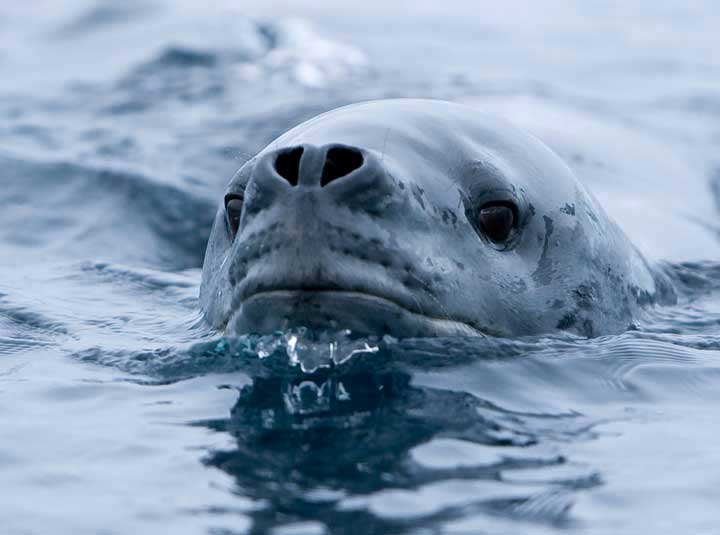
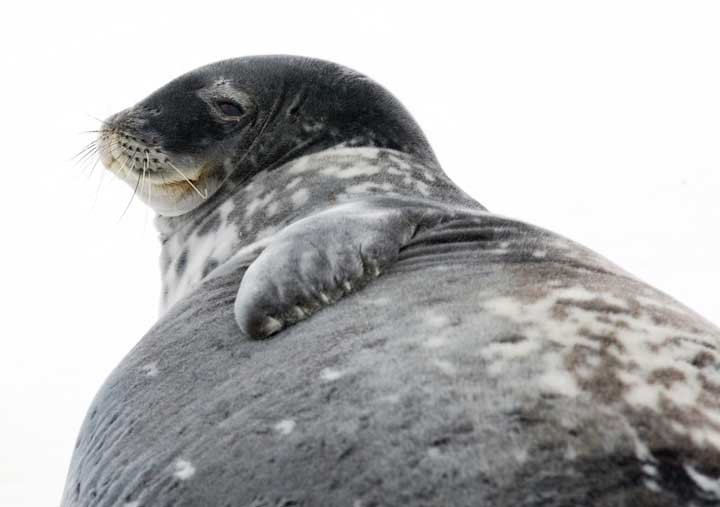
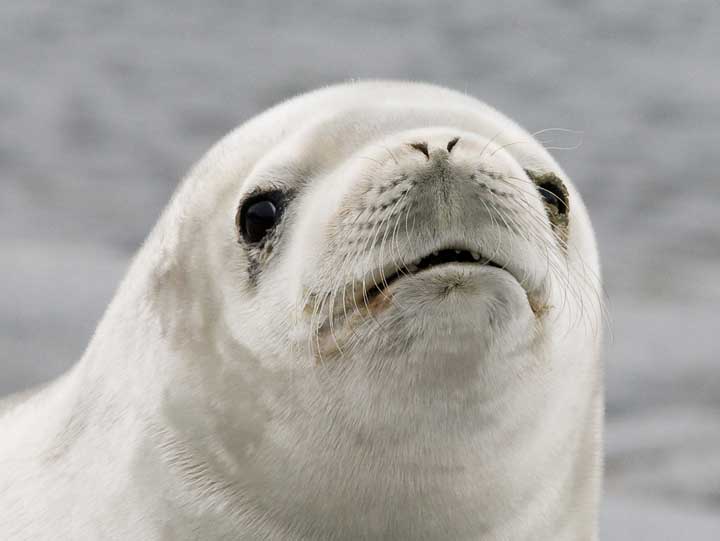
We came across other seals also. None of them were quite as active as those Leopard Seals
Weddell Seal
Crab-eating seal
We visited many locations that had historic significance.
Click on the house picture below to see some scenery shots of icebergs, glaciers, and research sites.

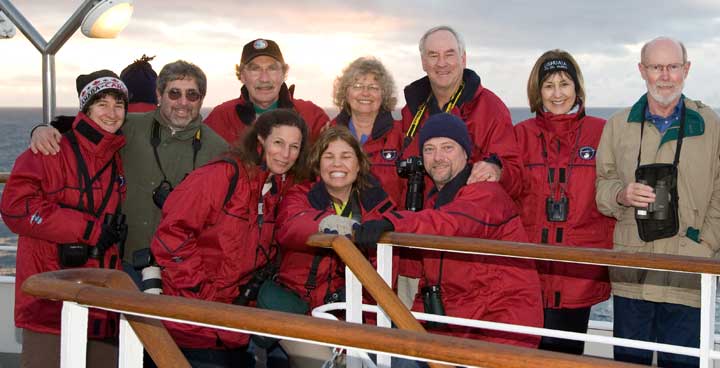
And oh yes, we had quite the eclectic group of veterinarians to say the least.
Click on the picture to meet some of our fellow intrepid explorers
All too soon its time to head back, leaving this beautiful scenery on a warm summer day in Antarctica.
This is the Gerlache strait from the map show earlier.
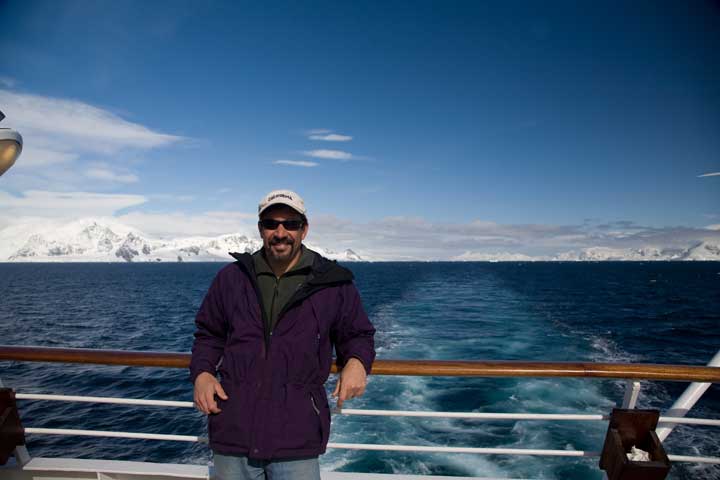
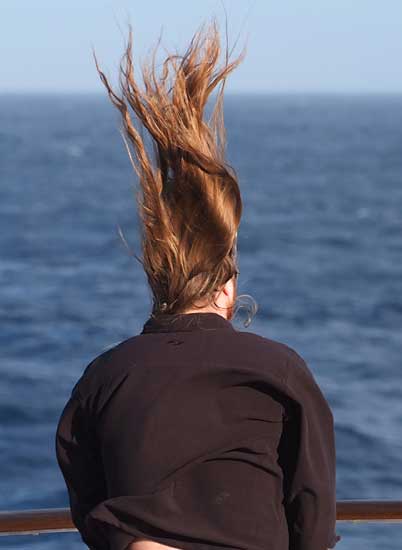
The breeze kicked up just around the time this photo (thanks Steve) was taken as we headed back in to the Drake. It was an omen of things to come
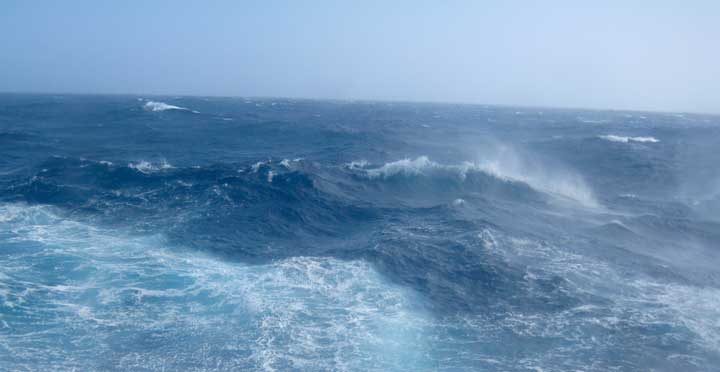
We weren’t so lucky on the ride back. The Drake Lake became the Drake monster for some people as they stayed in their cabins to ride (puke) out the worst of it. I took this picture from our room window before it got dark and the rough water really started. The next day the captain said the waves overnight were 30 feet ( a 7 out of 10 on the Drake meter), but he gave us permission to say they were 50 foot waves. Lucky the boat has stabilizers!