

Introduction
FIP, one of the most mysterious diseases a wild or domestic cat can fall victim to, was recognized in the late 1950’s. It is the cause of death in anywhere from 0.3% – 1% of cats, which means it kills between 1 in 100 to 1 in 300 cats under ages 3-5 years. This makes it one of the leading infectious causes of death among young cats, especially from shelters and catteries.
Although it is possible to occur at any age, FIP occurs mainly in cats under 7 years of age, three-fourths under 3 years and with the highest incidence between 16 weeks and 1-1/2 years. Multiple cat households, along with cats that spend time outdoors, are most susceptible. Stress is implicated as a factor in pre-disposing a cat to allow the FIP virus that is being contained to become pathogenic and cause the disease. This is another reason to enrich your cat’s environment.
The virus that causes this disease is spread by respiratory secretions and feces. Litter that is contaminated with the virus is easily trapped on a cat’s fur, which is ultimately swallowed when the cat grooms. Cats infected with FeLV also are more at risk of developing this disease. A cat with a case of FIP is not contagious to other cats.
FIP has been the subject of considerable controversy over the decades regarding diagnosis and treatment. This is partially due to the environmental situation that cats are placed in that causes undue stress on their immune systems, along with the complicated and variable immune response they develop when potentially faced with this virus.
Social Media and the Internet for Medication
Like many cat diseases, FIP mimics other cat diseases, so a diagnosis in many cases does not come easily, especially in what is called the “dry” form. This is why we follow the tenets of the Diagnostic Process.
This is crucial, because well intentioned people on the Internet and Social Media are thrilled that there is now a treatment to cure FIP, without making sure it is a correct diagnosis of FIP in the first place. When you get to our Diagnosis of FIP section on this page you will see what we are talking about.
This picture is a good example. It is of a young cat with a distended abdomen. These are classic signs of FIP, and anyone online, as well-intentioned as they are, can easily jump to the conclusion that this is a case FIP in their zeal to sell you a treatment for FIP due to the tremendous financial incentive involved.
A pot-bellied abdomen can be perfectly normal in a kitten due to their musculature, so this might be normal. As it turns out, this cat has an internal parasite called Coccidia, and not FIP.

Coccidia is treated with a drug called an anthelmintic, not an antiviral drug that kills the FIP virus
This is a partial list of the possible causes of a distended abdomen in a kitten:
- Constipation
- Nutritional deficiency
- Bowel obstruction
- Liver Disease
- Infection
- Ruptured urinary bladder
- Kidney disease – PKD (Polycystic Kidney Disease)
- Urinary tract obstruction
FIP Researcher
Neils Pederson of the UC Davis veterinary school is the most knowledgeable person in veterinary medicine regarding this disease. He has been studying it since 1964, trying to find a treatment for it, and developing a vaccine to prevent it. He has made major progress recently that you will learn about in this page.
Feline Species That Get FIP
FIP has also been seen in African lions and Mountain lions, Leopards, Jaguars, Servals, and Caracals. Cheetahs are particularly susceptible to this disease because of their lack of genetic diversity.
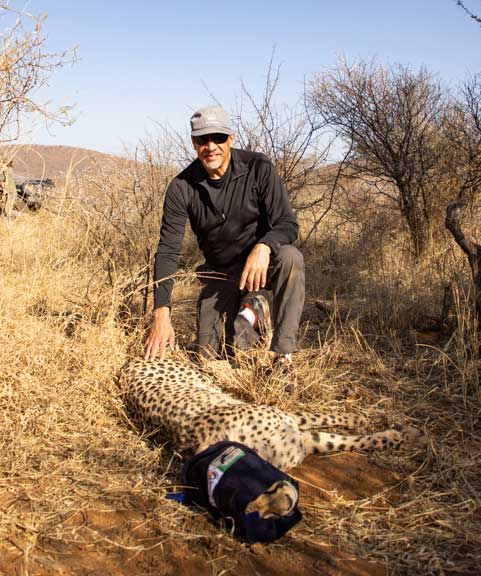
Dr. P working with a sedated cheetah in South Africa. To see many more photos at a higher resolution please follow the Wildlife Photography page link.
What is the Cause of Feline Infection Peritonitis (FIP)?
FIP is caused by a coronavirus, that has mutated from a harmless intestinal virus of cats called the feline enteric coronavirus (FECV). It is not known why the virus mutates from the harmless FECV (it can cause a mild intestinal upset) to the pathogenic FIP.
It is not a part of the COVID-19 virus (SARS-CoV-2, also called the novel coronavirus), and it does not spread from cats to people, so don’t sanitize your cat with chlorox just yet!
The mutation is complicated (is anything in medicine, or in cats for that matter, not complicated?). It has to do with spike (S) proteins, a truncated 3c gene and tropism. Add in cell-mediated immunity, partial cell-mediated immunity, and humoral immunity to the mix, and you get a feel of the complexity of why some FEVC mutate to the pathogenic FIP and some do not.
Risk factors for this disease are multiple cat households, the presence of normal cats that shed coronavirus, age, immune status, and the development of FIP susceptible cats (including certain breeds and bloodlines) in the general cat population. The continual infection and reinfection of cats with coronavirus in multiple cat households increases the chance of an individual cat developing FIP.
Any cat infected with a corona virus has the potential of developing FIP, in fact recent studies suggest up to 10% of cats infected with the corona virus may develop FIP. To give you some perspective on the current situation, up to 50% of household cats, and up to 90% of cattery cats, carry the coronavirus.
Multiple cat households might be more susceptible due to increased stress, crowding, poor sanitation, parasites, and other diseases like the FeLV and the FIV. Cats can spread the coronavirus in their nasal and oral secretions, along with the feces.
Purebred cats like the Himalayan have a greater predisposition to this disease than mixed breed cats.
Even though the virus can remain infective in the environment (contaminated feeding utensils, etc.), it is easily destroyed by routine disinfectants. This virus poses no health risk for people.
Pathogenesis of the FIP Virus
Virus Pathogenicity
Most cats are infected with the feline enteric corona virus (FECV) by about 9 weeks of age, sometimes with multiple re-infections for several years. Within 24 hours of ingestion the virus spreads from the tonsils to the intestines. The regular coronavirus stays in the intestines and only causes mild disease like diarrhea. When the virus leaves the intestines is when the potential for FIP starts.
A virulent form of this virus that leaves the bloodstream can go to white blood cells called monocytes (macrophages) happens about 10% of the time. This infection is usually eliminated in almost call cats, and only up to 1.4 % of them become infected. These monocytes infected with this virulent strain of corona virus enter other organs and spread the disease, and now we have FIP.
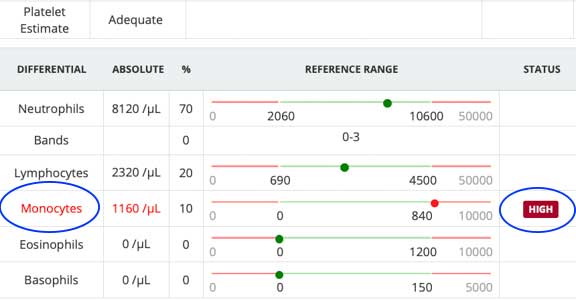
Monocytes are measured on every CBC we perform. When elevated like this at 1160 (up to 840 is normal for this lab) it is called monocytosis.
Within 2 weeks it has spread to the large intestine, intestinal lymph nodes, and the liver. From there it can spread to any other body organ. The infected monocytes go to the small veins that line the abdomen (peritoneum), the eye, and the brain, causing inflammation and leading to the symptoms we see in a cat with FIP.
Cats that do not produce a full antibody response to the virus will end up with fluid buildup within body cavities, usually the chest or abdomen. In the chest it is called pleural effusion, in the abdomen this fluid is called ascites. You will see this when we go over FIP radiographs.
Cats that develop a full immune response to the virus do not get this disease, although they can harbor a latent version of the virus for a period of time. They are immune, but carry the pathogenic version of the coronavirus. If they become immunocompromised for some reason (stress, drugs, crowding, parasites, other disease like kidney disease or diabetes) their infection can be reactivated.
Disease Manifestations
The clinical manifestations of the two forms of FIP depend on where in the body the infected macrophages end up infiltrating.
Dry Form
This disease has two major manifestations. The first is called the “dry form”. In the dry form the white blood cells are involved, and cause an inflammatory reaction to the internal organs. These organs do not function normally because of this inflammation, and eventually will fail as the disease progresses.
The dry form of FIP develops as a result of only a partial immune response to the mutated virus. The wet form of FIP develops as a result of a failed immune response to the mutated virus. Around 1/3 rd of the cats with FIP will develop the dry form. The FIP in these cats can turn into the wet form at a later time.
It is this dry form of FIP that usually causes the eye and brain (Central Nervous System- CNS) symptoms by stimulating granuloma formation in these organs. This granuloma formation can also occur in the kidney, colon, lung, lymph nodes, and liver.
The location of the problem in the eye and CNS makes a difference when giving a dose of the drug used to cure this disease. This is because of the blood-brain barrier that filters out harmful substances and drugs from entering the brain. A dose of the drug to cure the wet form is not as much as the dose of the drug to cure the dry form because of this.
Wet Form
The other manifestation of this disease is called the “wet form”, which is where the original name of “peritonitis” (inflammation of the lining of the abdominal cavity) came from. It is called this because fluid accumulates in the abdomen or the chest. The fluid that appears in the wet form is straw colored to yellow in appearance, and has a relatively high protein content. The wet form is more common than the dry form, and occurs in 2/3rds of FIP cases. These can convert to the dry form.
The fluid originates from small blood vessels that have been affected by the immune systems response to the virus. This immune response damages these blood vessels, causing them to leak fluid into the abdominal cavity usually, or thoracic cavity less often.
FIP and FeLv were closely associated in the past. A cat with FeLV was more susceptible to getting FIP. Many of the cats that had FIP were FeLV positive. With the advent of the highly effective FeLV vaccine that is no longer the case.
It has been found that Persian, Abyssinian, Himalayan, Bengal, Rex, Ragdoll, and Birman cats may have an increased susceptibility to the FIP virus.
What are the Symptoms of a Cat with FIP?
Initially there are no or minimal symptoms after exposure. Symptoms might not appear for weeks, months, and even years, after the initial infection. So much of it depends on the immune system.
A waxing and waning fever, sometimes called a fever of unknown origin (FUO), is one indication a cat might have FIP. The normal temperature range for a cat is up to 102.5 degrees F, although it depends on many factors. One factor that can increase this is a car ride to the veterinarian.
Some cats might show mild upper respiratory signs (sneezing) or diarrhea, but are so mild that they can go unnoticed. When serious symptoms do appear, the signs might be sudden in the younger cats, or more gradual in older cats.
Cats that have dry form have vague symptoms that come and go, and can affect many different systems in the body. They might be lethargic, have poor appetites, weight loss and look ill.
Common organs involved are the eyes, central nervous system (brain and spinal cord), and internal organs like the liver and kidney. Typical symptoms could include:
- growth retardation
- muscle twitching
- compulsive licking
- incoordination
- reluctance to jump
- fecal or urinary incontinence
- lower back pain
- anorexia
- poor hair coat
- weight loss
- seizures
- paralysis
- behavior changes
- poor vision
- increased sensitivity to touch
- urinary incontinence
Another clue to dry FIP is a cat with an ongoing fever. It might wax and wane, and usually does not respond to antibiotics.This is typical of the neurologic signs that can occur with this disease
Since many different organs can be involved with the dry form, the symptoms we see with this form of FIP can mimic other common diseases of cats, like hyperthyroidism, liver disease, sugar diabetes and kidney disease.
Other diseases like inflammatory bowel disease, cancer, and toxoplasmosis might also have similar symptoms. Pets with the wet form of the disease may have breathing difficulty or distended abdomens, in addition to some of the symptoms of the “dry form”. The onset of these symptoms is faster than the gradual symptoms noted in the dry form.
The virus can also infect the brain or spinal cord, especially if the dry form. This form of the disease can sometimes be diagnosed by an eye exam looking for anterior uveitis. Changes can also be noted in the back of the eye, especially the retina.
Several risk factors seem to predispose some cats to getting FIP:
- Ongoing infections
- Early Weaning
- Overcrowding
- Age at time of infection
- Genetic predisposition
- Stressful environment at the time of exposure
- Dental Disease
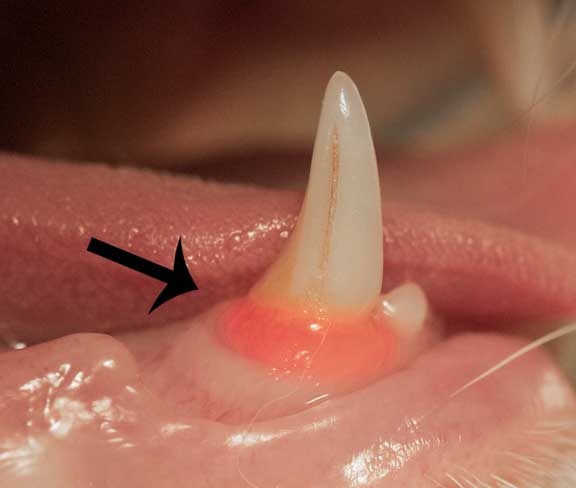
Dental Disease is the most overlooked disease in domestic animals. This small mouth of red gum is gingivitis, and can predispose cats to FIP, along with causing problems in organs like the liver, kidneys, and heart.
Diagnosis of Cats with FIP
Diagnosis is difficult sometimes in the dry form. The lesions in the eye can be confused with toxoplasmosis initially, although this disease in cats is quite rare.
We do not have a blood test that tells us if the virus is present like we have with FeLV and FIV. The tests we do have tells us if antibodies have been made to the category of virus that FIP belongs to (coronavirus), but it does not tell us if it is the actual FIP virus or not.
There are DNA type tests available that are more specific in making this diagnosis, the most common one being the polymerase chain reaction (PCR) test. The PCR test detects mitochondrial DNA of the M gene of all known feline coronarvirus strains. It has to detect this in the monocytes for the disease to be FIP.
As we generate more data on this test in sick cats its usefulness will probably increase. In addition to specific FIP antibody or DNA tests, blood samples, X-rays and fluid analyses are also used, and are utilized especially in cats that have the wet form. The only way to be 100% certain of the diagnosis is to biopsy one of the abdominal lymph nodes, the kidneys, or the liver.
Signalment
Almost 3/4 of cats with FIP will be less than 1 1/2 years old
Purebred cats have a much higher chance of getting FIP
Shelter cats and those in multiple cat households have a greater chance of FIP
History
A kitten that is not doing well and fails to thrive. Kittens are very curious, and eat and play and poop a lot, so this should be easy to notice.
Recent stressful event (visitors, exposure to other pets, infections, fights with other cats, car rides)
Not putting on weight, or weight loss once you get your cat/kitten. We always recommend weighing all pets weekly, and a baby scale works great for cats and kittens.
Physical Exam
Cats that have FIP will have physical exam findings similar to other feline diseases. In the wet form the fluid buildup in the abdomen or chest becomes apparent as time goes on. One of the ways we check for fluid within the abdomen during an exam is to look for a fluid wave by tapping on the abdomen. These cats will often have a persistently waxing and waning fever as well. This is sometimes called a Fever of Unknown Origin (FUO).
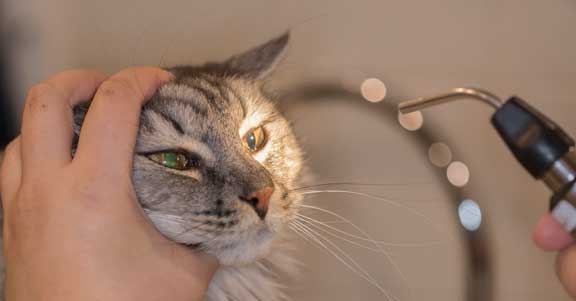
An eye exam is important, especially in the dry form. We are looking for a problem called anterior uveitis, and usually a veterinary ophthalmologist with special equipment is needed to see this.
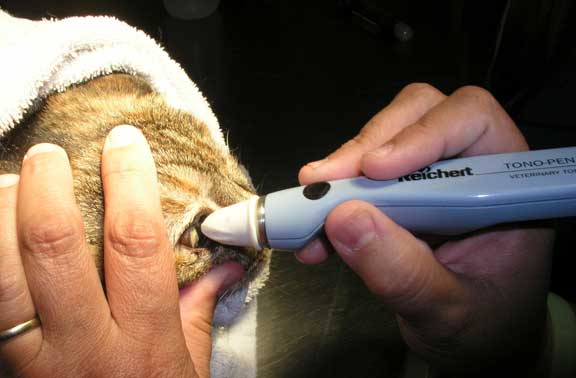
On rare occasions a cat with FIP can get glaucoma from the uveitis. Glaucoma causes an increased pressure in the eye, and is diagnosed in several different ways, like the Tonopen in this picture that checks eye pressure.
Blood Panel
Bloodwork cannot definitively diagnose or rule out FIP, but it can give us a strong indication if FIP is our diagnosis.
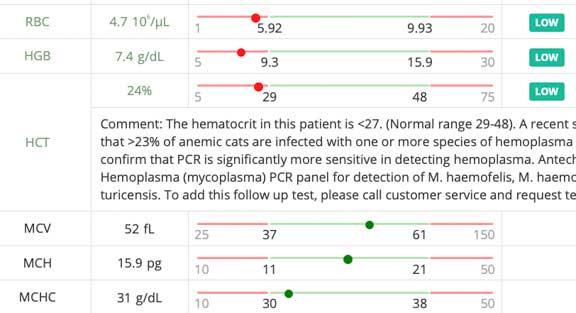
The RBC’s (red blood cells) might be low. This is called anemia
The white blood cells (WBC) might be low, normal or high, depending on how long the problem has been present and if other problems also exist. The red blood cell count might be normal or low (anemia).
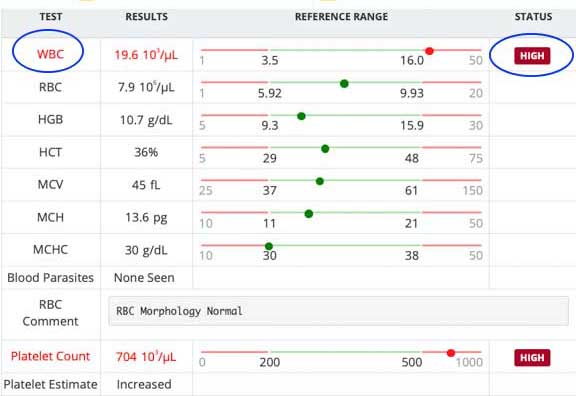
This WBC count of 19,600 (up to 16,000 is normal for this lab) is not unusual in cats with FIP.
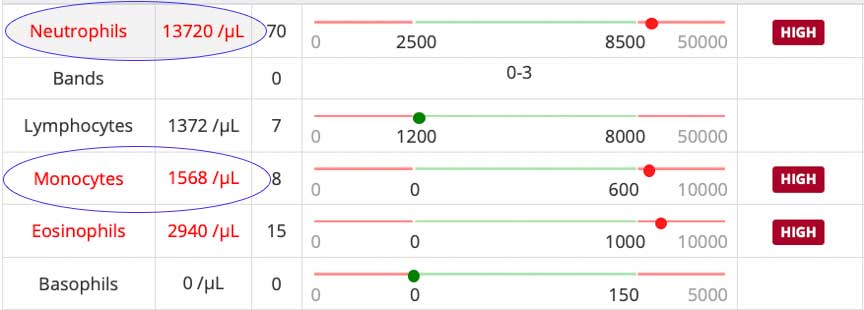
This cat has a high WBC count (neutrophilic) and high monocytes (monocytosis)
The biochemistry profile commonly reveals an increase in total protein and globulins and possibly an albumin:globulin ration of <0.6. Dental disease can cause this ratio, so it is not diagnostic for FIP.
This increase is from the inflammatory process occurring as the body responds to the virus. This increase in globulins, called hyperglobulinemia, occurs more often in the dry form.
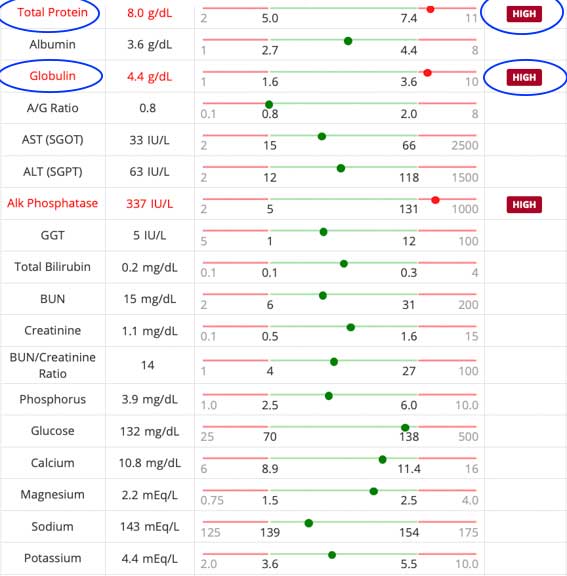
This blood panel shows an increase of Total Protein and Globulin (hyperglobulinemia) in an FIP positive cat
Other tests on the biochemistry profile could indicate FIP, but not necessarily, since these problems could occur with other diseases also. As a case in point, if the kidney values are increased in an older cat with suspicion of FIP, some of the possibilities are:
- Chronic renal failure along with FIP (this can be one in the same or 2 different diseases)
- Chronic renal failure with no FIP
- FIP causing kidney disease
- Dehydration due to FIP
- Dehydration due to disease in some other organ
Fluid Analysis
The fluid that builds up in the wet form of FIP is called ascites when it occurs in the abdomen, and pleural effusion when it occurs in the thorax. The fluid is sticky and usually light yellow to golden color (straw colored), with a relatively large amount of protein. Typically the protein would be > 3.5 mg/dl (see the protein test of 6.8 below).
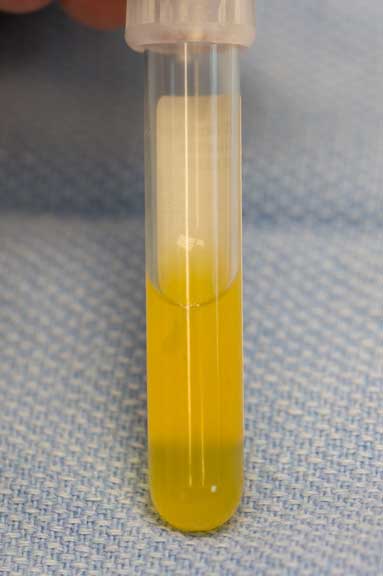
This is what the fluid looks like just after is has been removed from the body

The report from the clinical pathologist on fluid that is highly suspicious of FIP
Radiography
The following x-rays are of a normal cat first, and then one with the wet form of FIP. Approximately 100 ml (3 ounces) of fluid was removed from the chest of the cat with the fluid. After the fluid was removed it was analyzed because other diseases can cause fluid in the thorax (pleural effusion) also.
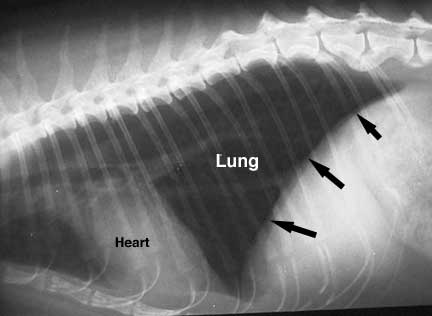
This is an x-ray of a normal cats thorax. This cat is laying on its right side, the head is towards the left. You can see the heart and the black lung tissue in the shape of a triangle. The diaphragm (arrows) is the vertical line that separates the thorax on the left from from the abdomen on the right. The liver resides in the abdomen.
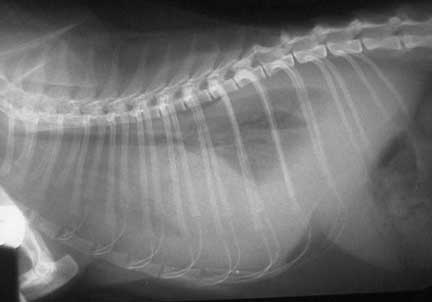
This cat has a significant amount of fluid in the thorax (pleural effusion), making it difficult to identify normal organs. You cannot see the heart or diaphragm, and the lung tissue is greatly reduced because of all the fluid. The lungs are unable to expand fully causing significant difficulty in breathing. This pet is very ill and has minimal breathing reserve. It needs immediate removal of the fluid.
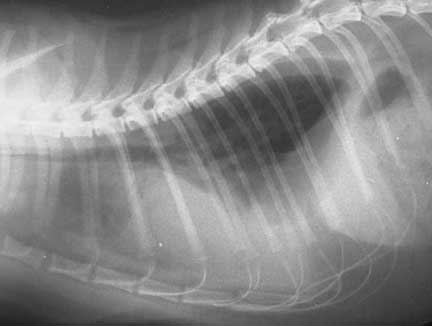
After some of the fluid was removed it is possible to visualize more of the organs. There is more lung tissue present and the top of the diaphragm is now visible.
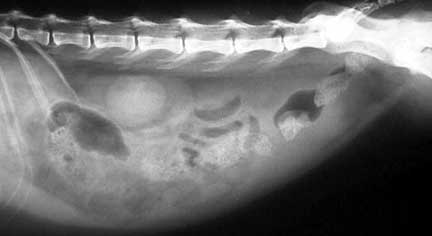
The fluid found in the wet form of FIP can also occur in the abdomen (ascites). In this radiograph, the evidence of fluid accumulation is subtle, but present.
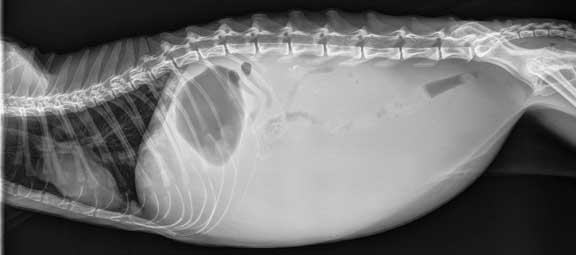
The fluid build up in this cat’s abdomen is obvious. You cannot see any individual internal organs due to the fluid.

These are all of the internal organs you should be seeing, with the heart in the thorax at the left
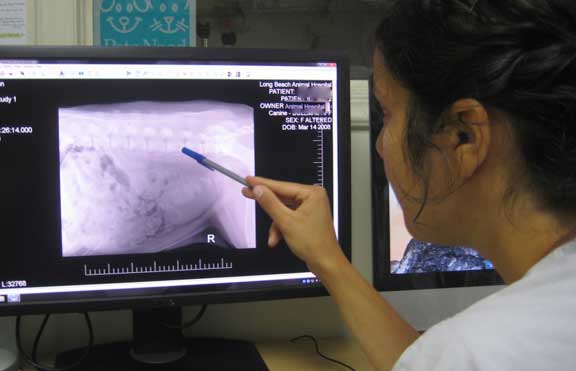
The students in our externship program spend time learning how to read a radiograph. We start them early down the path of the lifetime commitment needed to learn this skill. The fact that we take radiographs on a wide variety of species in addition to dogs and cats adds to the knowledge base they need to have.
Learning how to read a radiograph is a well-earned medical skill that takes years to perfect. In many cases we utilize the help of our radiologist- Dr. Ann Reed. Click here to learn much more about reading radiographs in animals and see how you do with the mini test at the end.
Ultrasound
Ultrasound gives us additional information on the internal organs. It augments what we see radiographically, and is an important diagnostic modality in many animal diseases since they cannot talk to us and tell us where there is a problem. Our ultrasounds are performed by a radiologist, a specialist in performing ultrasounds.
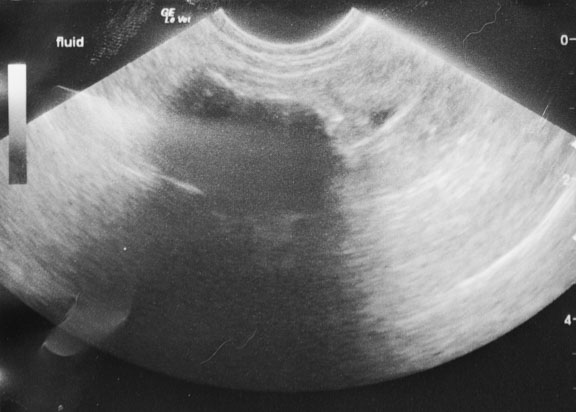
This is what ascites looks like during an ultrasound

The ultrasound gave us additional information we do not normally obtain from radiography. An enlarged mesenteric lymph node (see the lines marking it off), in a cat with other indications of FIP, does not verify the diagnosis, but makes it very likely.
Antibody Test
Our routine blood panel in cats can also include a coronavirus titer. This test is not used to diagnose FIP. This titer detects the presence of antibodies to the corona virus, indicating exposure to the virus at some time in the past. It does not tell us if this coronavirus is FECV (the nonpathogenic corona virus) or the FIP virus.
This cat might have FIP, but it might not. Also, some FIP vaccines can cause an elevated coronavirus titer. We need to see a relatively high titer, along with the routine symptoms of FIP, to make us think a cat with a high coronavirus titer indeed has FIP.
To further complicate the picture, cats presented to us in the final stages of FIP, where the symptoms can mimic many other diseases, might not have any titer due to their inability to mount any immune response, hence they do not produce antibodies detectable by this test.
DNA Test (PCR)
The DNA test for FIP is called the RT-PCR. It stands for reverse-transcriptase-polymerase chain reaction. It can be performed on blood, feces, fluid, and tissue. When there is eye involvement it can even run on the fluid from the eye (called aqueous humor). If there is lymph node involvement we can do an aspirate of that lymph node and perform the PCR test.
Not all cats with FIP have the virus in the bloodstream (called viremia), so a negative result with this test on the blood does not guarantee the cat does not have FIP. Also, the FECV (the nonpathogenic coronavirus) can sometimes be found in the bloodstream leading to a false positive.
To further complicate the problem, cats with the dry form of FIP, (the very cats we run this PCR test on since we are not sure it is FIP or some other common disease causing the problem), often do not have the FIP virus circulating in the bloodstream. In this case, there will be a false negative.
The test is very sensitive, so it will usually find the FIP if it is there. There is a tradeoff to this sensitivity though. It is so sensitive that if the lab does not practice a high level of quality control we might get a false positive. What this test does is look for viral nucleoprotein to the FIP virus. There is a version of this test, called the 7B protein test, which further tries to differentiate the nucleoprotein found in FIP from the nucleoprotein found in FECV.
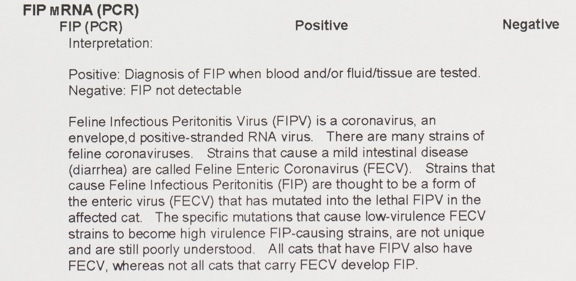
This is a positive PCR test result
There is another test, called the Rivalta test, that can be performed. A positive test is consistent with FIP in kittens, but not necessarily in older cats due to diseases like cancer and sepsis causing a positive result.
Histopathology
In many FIP cases, especially the dry form, the only way to confirm the diagnosis is to biopsy an internal lymph node or internal organ, and look for specific microscopic changes that occur in FIP. This biopsy can be performed on a live cat during an exploratory surgery, or during a necropsy (the animal version of an autopsy) in a dead cat.
Common organs to biopsy are the liver and kidney. In addition, the mesenteric lymph node (remember the ultrasound above where it was enlarged?) is a good organ to biopsy.
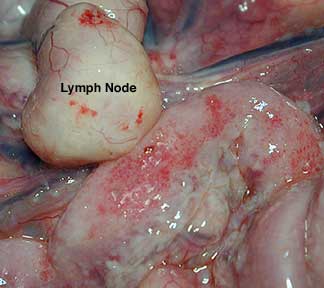
This necropsy picture shows an enlarged mesenteric lymph node. Below it you can see the inflammation that has occurred on the outer surface of the intestines. This inflammation causes peritonitis (inflammation of the lining of the abdominal cavity). This is how the disease became to be known as Feline Infectious Peritonitis when it was originally discovered.
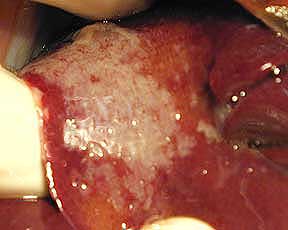
This necropsy picture shows a reaction on the surface of the liver. This reaction is called pyogranulomatous, and is the basis for the diagnosis.
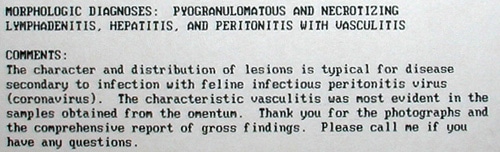
This is the final report we received from the pathologist on the above tissue samples
Trial Drug Treatment
With the effectiveness of the new anti-viral drugs used to treat FIP it is feasible to treat a cat that is reasonably suspected of having FIP and see if it gets better. If it is not substantially better within 72 hours the drug should be discontinued.
Whether we recommend this, or more diagnostic tests, depends on many factors like age, symptoms, blood results, and costs. Our doctors will discuss all of this with you.
Treatment of Cats with FIP
Hospitalization
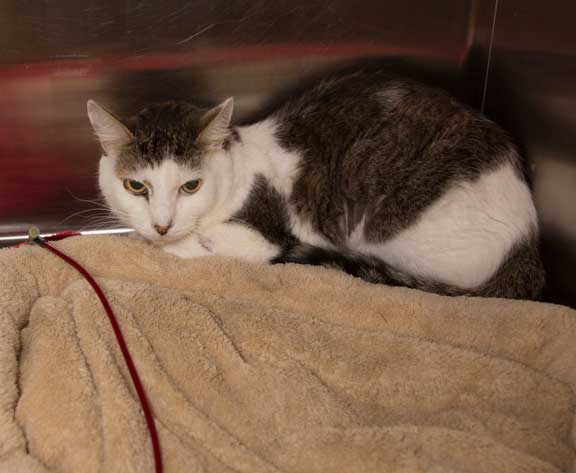
Many of these cats are very ill and need to be hospitalized (in our cat-only ward) for a few days to start the healing process. Before we can even think about treating an FIP cat with the new antiviral medications it might need a significant amount of supportive care. This care includes:
Antibiotics- especially if they have an infection as indicated by an elevated WBC, fever, are not eating, or lethargic
Anti-inflammatories
Immune system stimulators
Vitamins- especially the B-vitamins that are water soluble and easily excreted in the urine
Iron injections if they are anemic
Fluids- crucial for these cats. This is so important we have a whole page dedicated to it on how we give IV (intravenous) fluids
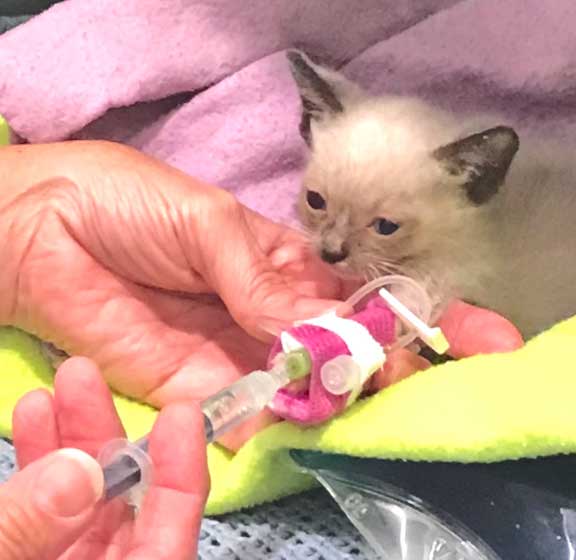
This little fighter named Jamal was treated with IV fluids when he was very ill
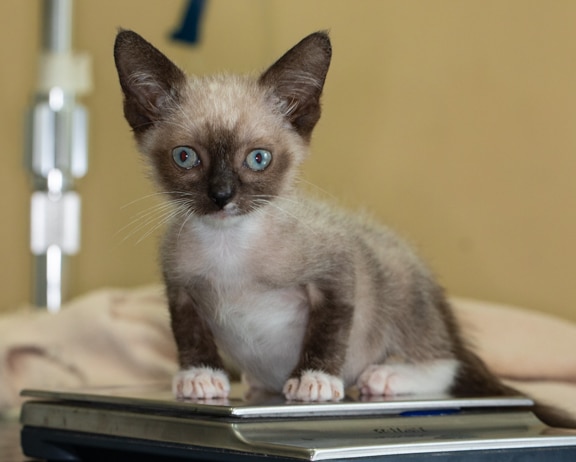
Here he is soon after treatment
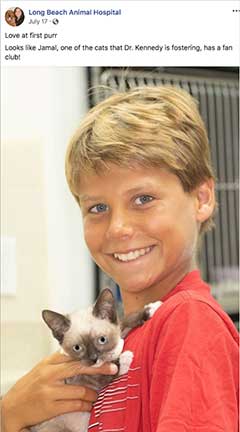
Jamal responded well to his treatment, and even had his own fan club on our Facebook page!
If the anemia is significant enough we will give them a blood transfusion
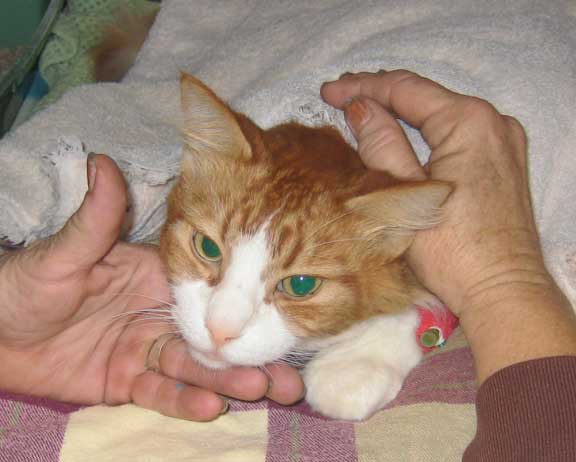
These cats can be very ill, and no matter what treatment we give them, we do not forget to give them that all important TLC!
New Medications
Until just recently there has been no consistent treatment that will cure this disease, and cats with confirmed cases of FIP usually succumbed to the virus within a few weeks or months or are euthanized due to their condition. That has changed with the advent of a drug called GS-441524 (called BOVA GS-441524 by Stokes Compounding Pharmacy), a metabolite of remdesivir used to treat COVID-19 in people.
GS-44
It is an offshoot of the drug remdesivir (made by Gilead Sciences) used to treat COVID-19 in people. This oral drug, when used over a 12 week period of time, cures FIP. It cures cats in over 80% of the cases when the correct diagnosis is made soon enough, and ancillary treatment is given (like IV fluids) when needed, and the proper dose is used over a long enough period of time. It has no known side effects, and has been used in Australia and the United Kingdom on many cases to back up these claims of efficacy and safety.
This drug can prescribed by one our doctors using a compounding pharmacy, so you do not need to go to the “black market” online and pay exorbitant amounts on a product from China that you cannot trust. The online companies that sell GS-441524 do not care if the correct diagnosis of FIP is made or if your cat is cured. Unlike all of us veterinarians that have dedicated our careers to animal health, they only care about making money from you.
As long as your cat can eat and swallow, the oral version called Bova GS-441524 is the preferred treatment. It is a pill given once daily for 12 weeks, and the dose increases as your kitten gets bigger. In almost all cases when a correct diagnosis if FIP is made your cat will start improving in just a few days. The dose for FIP cats with brain and eye lesions is higher due to the blood-brain barrier filtering out part of the drug.
Remdesivir injectable is available, but it can cause pain and is not recommended. It can be used to start treatment in a cat that is not eating well or cannot swallow.
Molnupiravir
Another drug called BovaEIDD-1931 (the active form of Molnupiravir) is a second-line treatment if no response to GS-441524.
GC-376
Another drug used is a 3C-like protease inhibitor called GC-376 from Anivive Lifesciences . It is given by injection only, and might not be as effective for the dry form of FIP. It can be used in combination with GS-44152 if resistance is suspected.
Several Chinese companies make drugs like GS-44152 for sale on the black market to treat FIP. They are marketed as dietary supplements because they do not have FDA approval. Their us in veterinary medicine is illegal, so they tend to be purchased online and in user groups on Facebook.
The most well known one is Mutian, costing $4,000 for a 7 pound cat. There is some evidence it works, although much remains to be learned, so buyer beware if you try these drugs on your cat with FIP. There are potential sterility and toxicity issues, and there is no way to confirm that the bottle actually contains what it says it does.
This company touts the use of this drug to stop the shedding of feline corona virus by healthy cats. Dr. Pederson feels this is a greatly misguided approach, and that the company is putting profits over proper science.
Prevention of FIP in Cats
A vaccine was developed years ago, but it proved ineffective. Much has been learned about this disease, and an effective vaccine is still a possibility. Prevention the best way to “treat” FIP, just like we have with the FelV that is rare for us to diagnose today due to the effectiveness of the FeLV vaccine.
Controlling the Spread of FIP in Cats
Cats living in households that already had a cat die of FIP have a less than 5 percent chance of developing FIP, mostly because they have already been exposed to the virus and fought it off. Siblings of cats that died of FIP have a greater chance of developing the problem due to genetic heritability for an increased susceptibility to the virus.
The most important factor in controlling FIP is limiting the number of cats in a house, preferably to less than 5. In addition, good nutrition, good veterinary care, and good sanitation, will go along way to preventing this problem. Wait at least one month and preferably up to three months, before introducing a new cat to house that had a cat die of FIP.
Cleaning the litter pan often and preventing litter from tracking throughout the house may be helpful. The virus can live in the environment for several weeks, so clean as thoroughly as possible using a 1:32 dilution of household bleach. Remove all cat related products that cannot be thoroughly cleaned, and wait for 2 months before introducing a new cat into the household.
Dr. Pederson has a web site called sockfip.org that has more information.